Fed Holds Rates at 3.50%–3.75% in Warsh’s First Meeting, Vowing to “Deliver Price Stability”
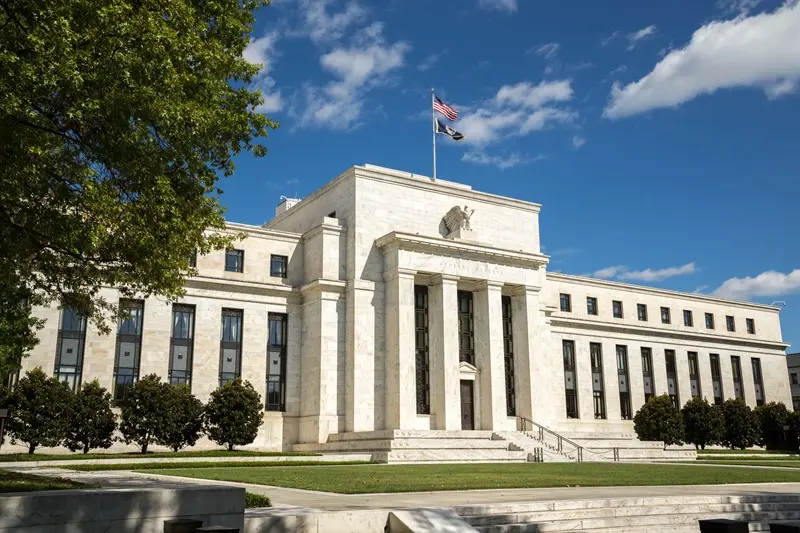
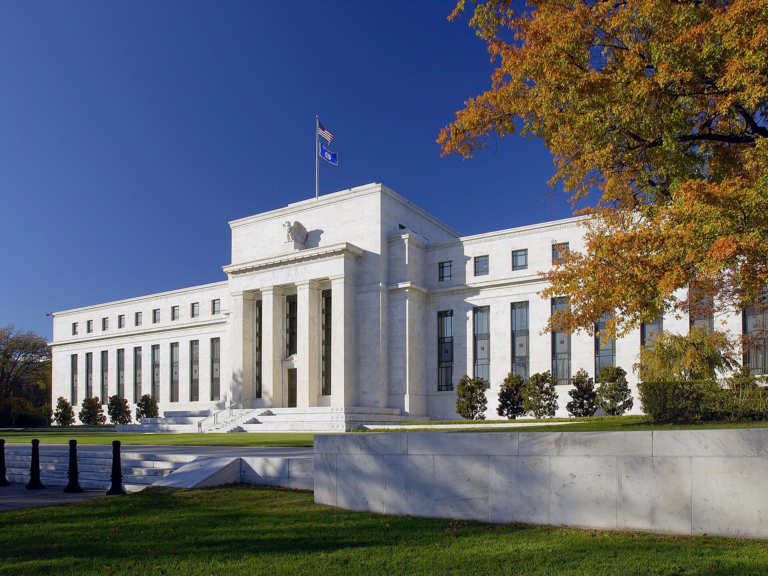
The US Federal Reserve kept its benchmark interest rate unchanged at 3.50% to 3.75% on 17 June 2026, holding policy steady in the first meeting chaired by new Federal Reserve Chair Kevin Warsh. The decision by the Federal Open Market Committee was unanimous, approved by a 12–0 vote.
In a notably streamlined statement, the Committee said it would “maintain the target range for the federal funds rate at 3-1/2 to 3-3/4 percent, in support of the Federal Reserve’s dual mandate,” and reaffirmed its policy of keeping ample reserves in the banking system.
A Solid Economy, but Elevated Inflation
The Fed described economic activity as “expanding at a solid pace,” while noting elevated uncertainty that owes, in part, to the conflict in the Middle East. It said productivity growth and capital investment were strong, that job gains had kept pace with the workforce, and that the unemployment rate had changed little.
On prices, the Committee said inflation “remains elevated relative to the Committee’s 2 percent goal,” partly reflecting supply shocks that have driven up costs in certain sectors, including energy. It closed with a firm line: “The Committee will deliver price stability.”
A New Chair, a Leaner Statement
The meeting was the first led by Kevin Warsh, who was sworn in as Fed Chair on 22 May 2026. The statement was visibly shorter than under the previous leadership and dropped the explicit easing bias and forward-guidance language that had signalled the next move would likely be a rate cut — a shift consistent with Warsh’s long-standing scepticism of the Fed’s “dot plot” projections, which markets had expected him to withhold.
Why It Matters for the Gulf
Because most Gulf currencies are pegged to the US dollar, GCC central banks typically track Federal Reserve policy closely. A continued Fed hold keeps regional monetary conditions relatively tight, supporting currency stability while keeping borrowing costs elevated for governments, banks and businesses across the region.
Outlook
With the statement removing its prior easing signal, the near-term path now hinges on whether inflation eases back toward the 2% goal and on how energy and global supply pressures evolve. For markets and for the Gulf, the message is one of patience: stability over stimulus, at least until price pressures clearly recede.
Sources: Federal Reserve; CNBC.