QatarEnergy Extends LNG Force Majeure as North Field Expansion Remains Strategic Anchor
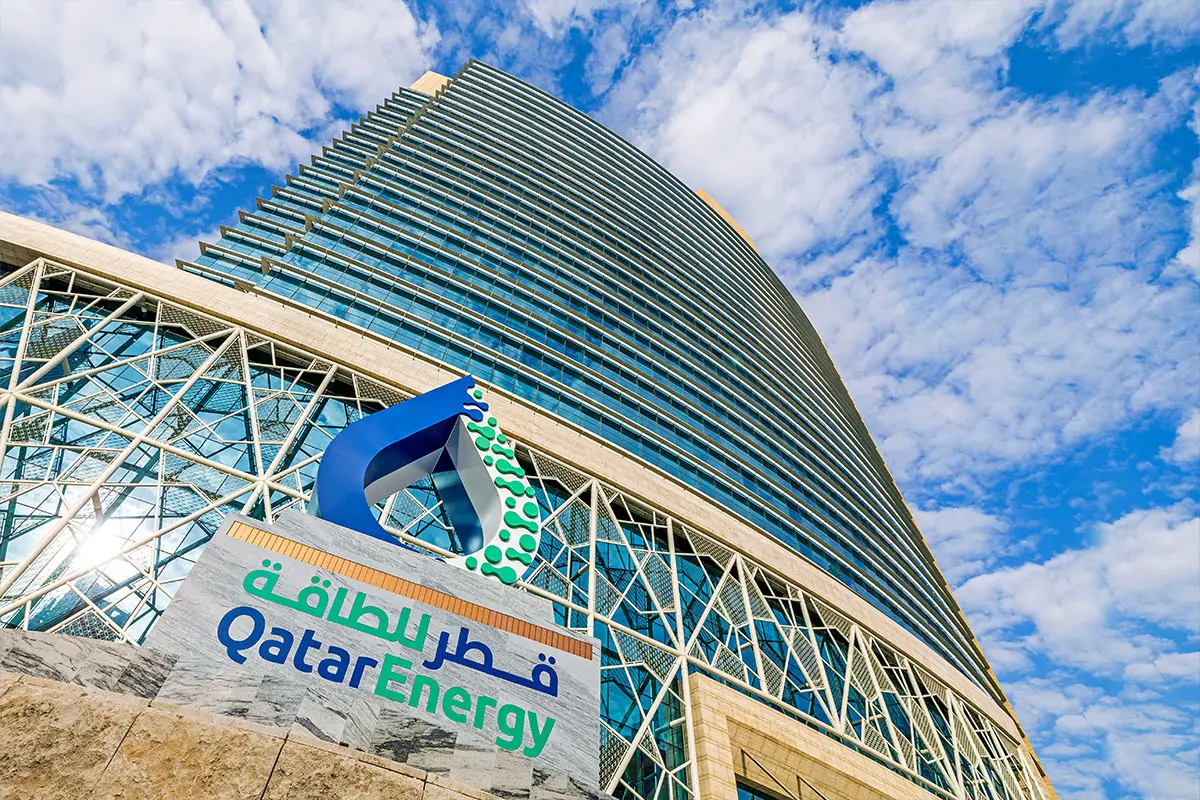
QatarEnergy’s force majeure on affected liquefied natural gas supply contracts has become one of the most important energy market developments of 2026, as production disruption and shipping constraints weigh on Qatar’s export capacity.
The disruption follows damage to key energy infrastructure at Ras Laffan Industrial City, one of the world’s most important LNG export hubs. QatarEnergy has said the damage reduced the country’s LNG export capacity by 17%, could cost about $20 billion a year in lost revenue, and may take up to five years to repair.
The company’s force majeure declarations affect some long term LNG supply commitments, reflecting its inability to meet parts of its contractual obligations under disrupted operating conditions. Market reporting indicates that affected customers include buyers in Europe and Asia, with some commitments extended into mid 2026 and some European cargo cancellations reportedly pushed further into the summer.
This is a material shock because Qatar is one of the world’s largest LNG exporters. The World Bank notes that hydrocarbons account for around 80% of Qatar’s fiscal revenues and goods exports, while Qatar supplies around 20% of global LNG. A disruption of this scale therefore affects not only Qatar’s energy sector, but also its fiscal position, export earnings and wider economic outlook.
A Major Shock to LNG Export Capacity
The most important verified figure is the 17% reduction in Qatar’s LNG export capacity. That is large enough to change the country’s export profile and tighten global LNG balances.
Qatar’s LNG model depends on high reliability, long term contracts and large scale liquefaction capacity. When part of that capacity is unavailable, buyers must either accept delivery delays, seek replacement cargoes or increase exposure to spot market prices. This is particularly important for European and Asian buyers, where LNG remains central to energy security and power sector flexibility.
The reported annual revenue loss of about $20 billion shows the scale of the economic impact. This figure is significant even for a country with Qatar’s financial strength. It represents a direct hit to foreign currency export earnings and hydrocarbon revenue at a time when LNG markets are already sensitive to supply security.
The repair timeline is also important. A disruption that could take up to five years to fully repair is not a routine operational outage. It creates medium term uncertainty around supply schedules, contract flexibility, insurance, shipping risk and future investment execution.
IMF Forecast Shows the Scale of the Macro Impact
The International Monetary Fund has sharply revised Qatar’s growth outlook.
The IMF’s April 2026 World Economic Outlook shows Qatar’s real GDP growth forecast at minus 8.6% for 2026. Its regional material also describes Qatar as facing the steepest forecast revision globally, almost 15 percentage points lower than the October projection, reflecting extensive infrastructure damage and near total disruption of LNG exports during the affected period.
This is a major change from Qatar’s usual growth profile. The country has historically benefited from strong hydrocarbon exports, large fiscal buffers and a substantial external surplus. A contraction of this scale would reflect the exceptional nature of the LNG shock rather than a normal domestic demand slowdown.
Private sector estimates also point to a severe hit. JPMorgan has reportedly estimated that Qatar’s GDP could contract by around 9% in 2026 as a result of the export disruption. The precise outcome will depend on the duration of production constraints, the pace of repairs, shipping conditions through the Strait of Hormuz, and Qatar’s ability to manage contract obligations and redirect available supply.
Financial Buffers Reduce Systemic Risk
Despite the near term shock, Qatar enters this period with substantial financial buffers.
Qatar’s external position, sovereign wealth assets and hydrocarbon linked fiscal resources provide important protection. These buffers reduce the likelihood that an LNG export shock becomes a broader financial stability problem. They also give the government room to manage spending, support confidence and maintain strategic investment plans.
This matters because the issue is not whether Qatar can absorb a temporary revenue shock. The issue is how long the disruption lasts, how quickly output can be restored, and how much of the lost revenue can be recovered through future production, contract adjustments or higher prices.
Qatar’s long term credit story remains supported by large reserves, a strong external balance sheet and a strategic role in global LNG. However, the short term economic effect is clearly negative and will remain visible in 2026 growth, export and fiscal indicators.
North Field Expansion Remains the Strategic Anchor
The North Field expansion remains central to Qatar’s long term LNG strategy.
Before the disruption, QatarEnergy was advancing major expansion projects designed to raise LNG production capacity to 142 million tonnes per year. This expansion is the cornerstone of Qatar’s plan to reinforce its position as one of the world’s leading gas exporters and secure long term demand from Asia and Europe.
The current disruption does not remove the strategic logic of the North Field expansion. Global gas demand remains supported by energy security priorities, coal to gas switching in some markets, industrial use and long term demand from Asian buyers. Qatar’s low cost resource base and long term contract model remain strong competitive advantages.
However, the disruption changes the near term operating environment. It increases the importance of repair execution, supply chain resilience, shipping security, insurance costs and customer confidence. Buyers will focus closely on when affected facilities return to stable operation and whether future supply schedules remain reliable.
Global LNG Market Implications
The Qatar disruption matters beyond Qatar.
Global LNG markets have limited spare capacity, and long term contracts are not easy to replace quickly. A sustained reduction in Qatari supply could tighten LNG balances, increase competition between European and Asian buyers, and support higher spot prices during peak demand periods.
The impact will depend on several factors. If shipping conditions improve and repairs progress faster than expected, market pressure could ease. If disruptions persist, buyers may need to rely more heavily on spot cargoes, alternative suppliers or demand management.
The disruption also highlights the vulnerability of LNG supply chains to concentrated infrastructure risk. LNG is often seen as flexible because it can move by ship across regions. But liquefaction capacity, export terminals, chokepoints and shipping insurance remain critical constraints.
Why the Data Matters
The QatarEnergy force majeure matters for three reasons.
First, the 17% reduction in LNG export capacity is large enough to affect Qatar’s export earnings, global LNG supply and buyer security strategies.
Second, the estimated $20 billion annual revenue loss shows that the shock is macroeconomically meaningful, not only operational.
Third, the IMF’s minus 8.6% GDP forecast for 2026 shows that the disruption has moved from an energy market issue into the core macroeconomic outlook.
Outlook
The outlook depends on the restoration timeline.
If repairs move quickly, shipping constraints ease and affected contracts are gradually normalised, Qatar’s economy could stabilise and recover as LNG exports improve. If repairs take several years and shipping conditions remain constrained, the shock could weigh on growth, revenues and LNG market confidence for longer.
Qatar’s long term position remains strong because of its resource base, financial buffers and North Field expansion strategy. But the near term impact is material. The country’s 2026 outlook will be shaped by the pace of infrastructure repair, the reliability of LNG export flows and the ability of global buyers to manage supply disruption.
Overall, QatarEnergy’s extended force majeure highlights the vulnerability of global LNG supply chains to infrastructure damage and chokepoint disruption. Qatar remains a structural LNG leader, but the current disruption is significant enough to reshape its short term growth outlook and influence global gas markets through 2026.
Sources: QatarEnergy official statements; Qatar News Agency; International Monetary Fund World Economic Outlook and Regional Economic Outlook material, April 2026; World Bank Qatar Macro Poverty Outlook; Bloomberg reporting; JPMorgan estimates; verified energy market information available as of June 2026.