UK Inflation Holds at 2.8% in May as Transport Costs Offset Easing Food Inflation
UK consumer price inflation held at 2.8% in the year to May 2026, unchanged from April, according to figures released by the Office for National Statistics (ONS) on 17 June 2026. On a monthly basis, the Consumer Prices Index (CPI) rose 0.2%, the same monthly rate recorded in May 2025.
The broader Consumer Prices Index including owner occupiers’ housing costs (CPIH), which the ONS describes as its most comprehensive measure because it captures owner occupiers’ housing costs and Council Tax, also held steady, rising 3.0% over the year and 0.2% on the month. The stability of the headline masked offsetting movements across the basket: the ONS said transport made the largest upward contribution to the change in both the CPIH and CPI annual rates between April and May, while food and non-alcoholic beverages made the largest downward contribution.
Transport drives the upward pressure
Transport prices rose 6.8% in the year to May, up from 4.5% in April and the highest rate since December 2022. The ONS linked the increase to air fares, motor fuels and sea fares, together with a Vehicle Excise Duty effect carried over from a 2025 correction. Air fares rose 10.3% between April and May, a swing the ONS said may have been influenced by the timing of Easter and school holidays. Motor fuel prices rose 24.6% over the year, the highest since September 2022, with the average price of petrol rising 0.6 pence per litre between April and May to 157.4 pence per litre, its highest since November 2022.
Food inflation eases to a multi-month low
Working in the other direction, food and non-alcoholic beverage prices rose 2.2% over the year, down from 3.0% in April and the lowest annual rate since December 2024. On the month, food prices fell 0.1%, compared with a 0.7% rise in May 2025, with small downward effects from meat, dairy, vegetables and fish, partly offset by oils and fats. The easing in food was the main factor holding the headline rate steady against the rise in transport.
Services inflation rises while goods cool
Beneath the headline, the composition shifted. Core CPI, which excludes energy, food, alcohol and tobacco, edged up to 2.6% from 2.5%, while core CPIH held at 2.8%. CPI goods inflation slowed to 2.0% from 2.4%, but CPI services inflation rose to 3.7% from 3.2%. The pick-up in services inflation, driven largely by travel and transport services, is significant because services prices are watched closely as a gauge of domestically generated, more persistent inflation.
How the UK compares
The ONS noted that the UK’s 2.8% CPI rate in May was the same as the flash estimate for France and slightly above Germany at 2.7%. The Retail Prices Index, a legacy measure the ONS no longer classifies as an accredited official statistic but still publishes because it remains widely used in contracts, rose 3.1% over the year.
Why it matters
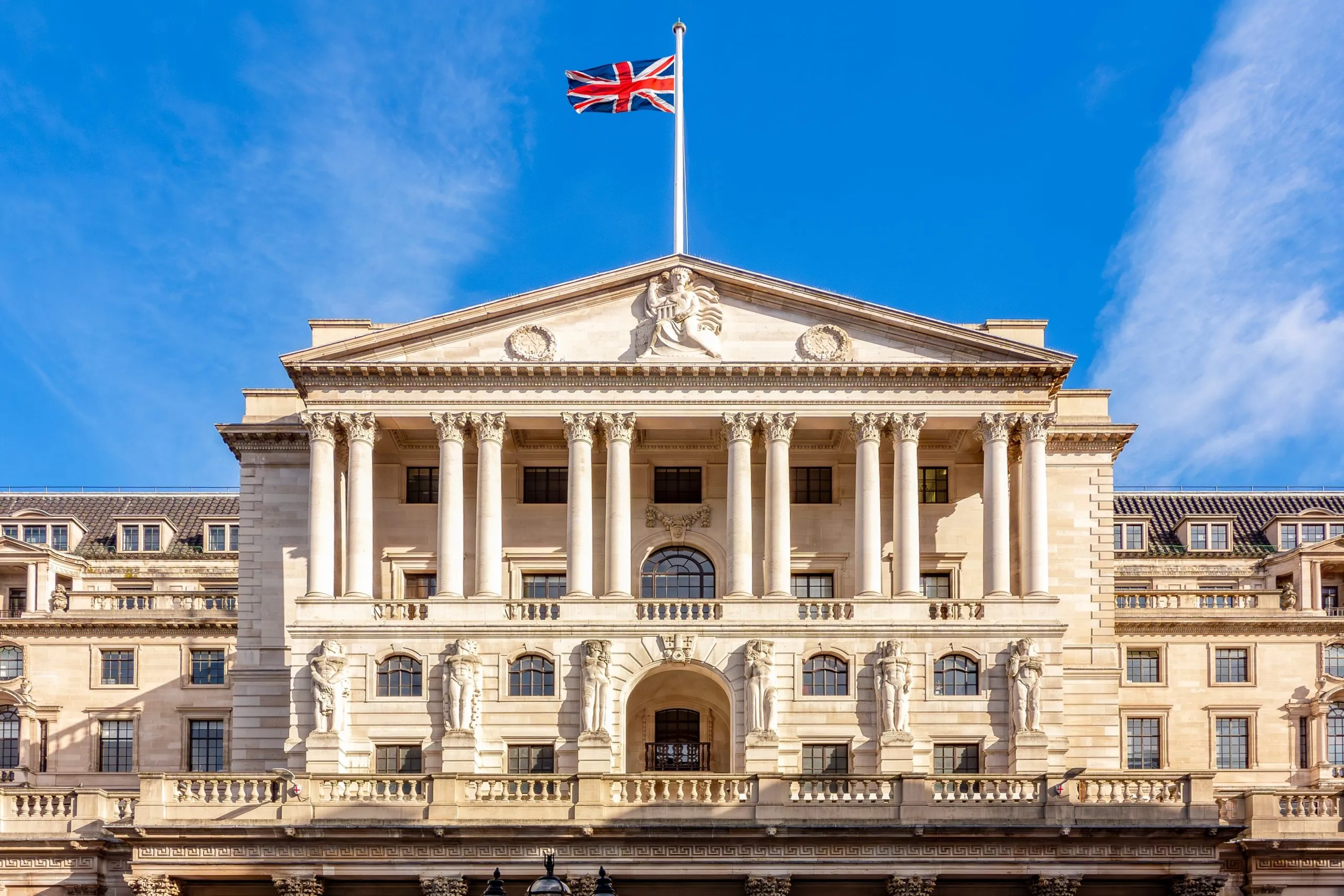
The figures leave UK inflation above the Bank of England’s 2% target, with the mix of pressures complicating the policy picture. Cooling food and goods inflation point to easing in parts of the basket, but firmer services inflation and a sharp rise in transport and motor fuel costs keep underlying pressure alive. The data feed directly into the Bank of England’s assessment of how quickly inflation will return to target.
Outlook
The near term path will depend heavily on transport and motor fuel costs and on whether services inflation continues to firm. Lower food inflation provides some relief for households, but the unevenness across categories suggests the return of inflation to target is likely to be gradual rather than smooth.
Sources: Office for National Statistics.