The IMF Tells Lebanon No Depositor Should Take Losses Before Shareholders and Junior Creditors
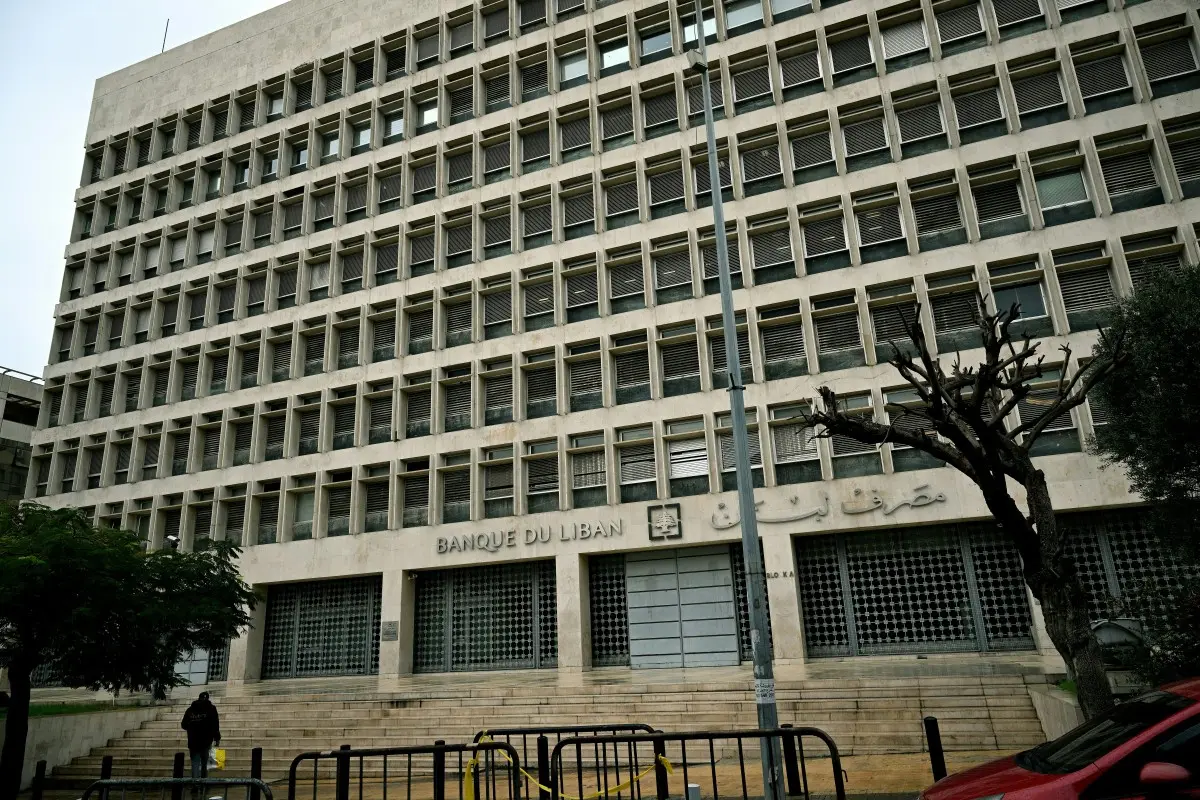
A staff team from the International Monetary Fund that visited Lebanon from 15 to 18 September has told the Lebanese authorities that the order in which losses are allocated must be respected, and that depositors should not absorb losses ahead of the people who own and lend to the banks. The statement, issued on 18 September, says staff “reiterated the importance of ensuring that the hierarchy of claims is respected and no depositors absorb losses before shareholders and junior creditors, and that a sound and sustainable banking sector emerges from the restructuring process that safeguards fiscal and financial sustainability”.
That is the sentence the whole argument turns on, and it is wider than it first appears. It puts junior creditors alongside shareholders ahead of depositors, and it ties the loss allocation question to the viability of the banking system rather than treating it as a distributional question on its own.
The law being negotiated
The talks focused on what the release calls the amendments needed to align the Financial Stabilization and Deposits Recovery Law with international standards. Staff said efforts should focus on aligning the draft with international principles and making the repayment proposal consistent with banking sector viability and public debt sustainability. On the companion legislation the tone is warmer: staff welcomed the approval of amendments to the Bank Resolution Law, which it says align the framework with international best practice and provide an effective and orderly resolution and liquidation framework.
The fiscal hole the Fund points at
The release names one measure specifically. The cabinet approved an increase in value added tax to 12 percent, originally meant to finance the public wage and pension increase approved in February 2026, and it has not been implemented, while the personnel costs it was meant to fund are already adding significant expenditure pressures. On the budget, staff welcomed that the 2027 draft targets a balanced position and introduces measures to strengthen tax compliance.
| Item | Position as the Fund describes it |
|---|---|
| Value added tax rise to 12 percent | Approved by cabinet, not implemented |
| Wage and pension increase | Approved February 2026, costs committed |
| Draft 2027 budget | Targets a balanced position |
| Bank Resolution Law | Amendments approved, welcomed |
From the end of mission statement of 18 September.
On the economy itself the release is brief and bleak. Activity is expected to contract significantly in 2026, inflation remains in double digits, and the current account deficit has widened driven mainly by rising energy costs.
Why it matters: For the region this is an unusually explicit statement of the loss hierarchy the Fund expects, with shareholders and junior creditors absorbing losses before depositors. It is not a guarantee that depositors can never face losses, and it should not be read as one. On our reading the significant move is the inclusion of junior creditors, because it widens the group that absorbs losses before the deposit base is touched and narrows the room for a settlement that spreads the cost across savers. The unimplemented tax rise is the other tell: the Fund is pointing at a government that has voted the spending and not the revenue.
Outlook: This was a staff visit and the release states plainly that it will not result in a board discussion. The Fund says it remains committed to supporting a comprehensive reform agenda that could be supported by an arrangement, which is the standard formulation for a programme that is possible and not yet agreed.
Sources: International Monetary Fund.