Kuwait Rebuilds Oil Output Toward 2.66 Million Barrels a Day as a Modernised KPC Law Anchors the Push to 4 Million by 2035
Kuwait’s oil production is set to reach 2.660 million barrels a day in August under the latest OPEC+ agreement, Oil Minister Tareq Al-Roumi said after the group’s meeting on Sunday, capping one of the fastest output recoveries among the producers and giving fresh momentum to a sector that has just received its first comprehensive legal overhaul in almost half a century.
The allocation is part of the wider OPEC+ decision of 5 July, in which the seven producers unwinding voluntary cuts, Saudi Arabia, Russia, Iraq, Kuwait, Kazakhstan, Algeria and Oman, agreed to raise output by a further 188,000 barrels a day for August, the fifth consecutive monthly increase. For Kuwait the number carries particular weight because of where the country is coming from. Production had fallen to around 573,000 barrels a day in May, when the regional conflict and the disruption to Gulf export routes forced Kuwait Petroleum Corporation to declare force majeure on its exports. The declarations were lifted in mid June as shipping lanes reopened, with KPC targeting a return to 2 million barrels a day within a week, and output rebounded to about 1.65 million barrels a day in June. The August allocation therefore implies a further increase of roughly 1 million barrels a day from the June average, and a recovery of more than four and a half times the May trough within the space of three months, a pace that says as much about the sector’s operational depth as any strategy document.
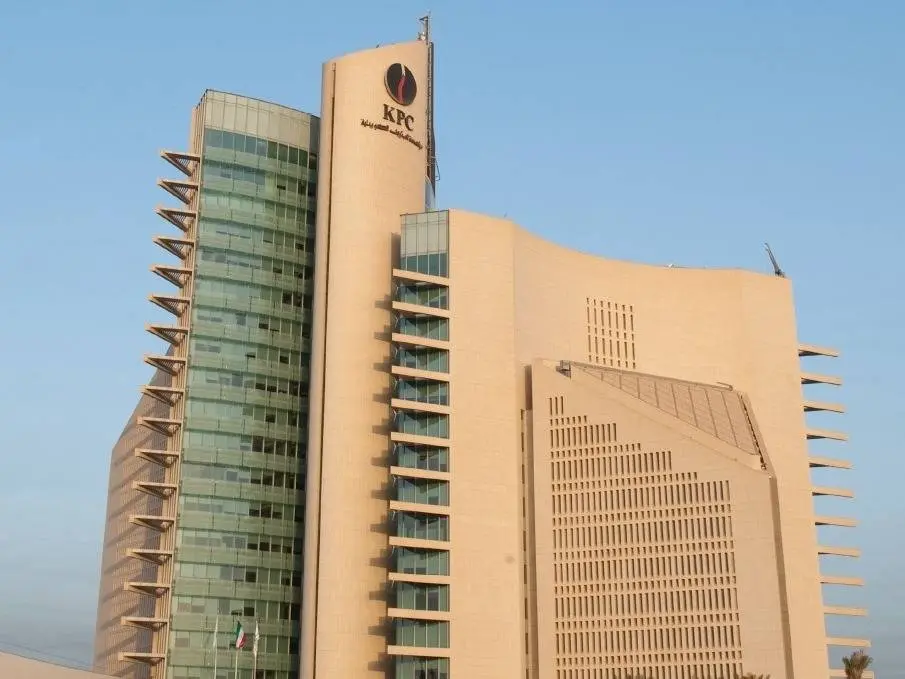
The rebuilding is taking place on a reformed institutional footing. Decree Law 67 of 2026, issued on 23 June, amends the 1980 law that established Kuwait Petroleum Corporation, the first comprehensive overhaul of the corporation’s founding framework in about 46 years. Al-Roumi, who chairs the KPC board, told the state news agency at the end of June that the amendments represent a qualitative leap in modernising the corporation’s legislative and operational framework.
The changes cut in two directions at once, and the combination is the point. On one side, they reaffirm state sovereignty over oil wealth through the Supreme Petroleum Council, chaired by the Prime Minister, which keeps approval authority over borrowing, lending, guarantees and the appointment of KPC’s external auditor. On the other, they push administrative and contracting powers down to the KPC board to speed decisions, affirm the corporation’s commercial character in its dealings with third parties, replace prior approval procedures with post audit oversight by the State Audit Bureau and independent auditors, ban local agents and commission intermediaries in KPC and subsidiary contracts, and add renewable energy to the corporation’s formal objects. The reform follows a broader restructuring that in June merged Kuwait Integrated Petroleum Industries Company, operator of the 615,000 barrel a day Al-Zour refinery, into Kuwait National Petroleum Company, whose capital was raised to about 2.63 billion dinars, roughly 8.5 billion dollars, as the sector consolidates to cut costs.
The legal overhaul is designed to serve the strategy that sits above it. KPC’s strategy through 2040 targets production capacity of 4 million barrels a day by 2035, from just over 3 million now, an expansion of roughly a third, and the corporation has said international oil companies will be invited to help develop offshore resources after Kuwait announced three offshore discoveries in 2025. Faster board decisions, cleaner contracting and commercial flexibility are precisely the variables that determine whether a capacity programme of that scale attracts the partners and capital it needs.
Why it matters: The speed at which a major producer restores output after a severe disruption is a direct test of its operational resilience, and Kuwait’s trajectory from 573,000 barrels a day in May to a 2.66 million barrel allocation for August is among the fastest recoveries in the group. For Kuwait’s public finances, each step in the OPEC+ unwind converts idle capacity back into revenue at a time when softer crude prices are squeezing producer income across the region, making volume recovery the main lever available to the budget. For MENA, the story is wider than one country: Kuwait’s ability to restore supply, modernise KPC’s legal framework and pursue capacity expansion reinforces the region’s role in balancing global energy markets, and shows how governance reform has become part of the upstream competitiveness agenda.
Outlook: The next OPEC+ review on 2 August will set September levels, and the group has kept the flexibility to pause or reverse increases if the market softens, a live consideration with Brent trading in the low 70s and some banks projecting lower prices as the regional risk premium fades. For KPC, the tests ahead are the pace at which the August allocation is actually met, the terms on which international companies are brought into offshore development, and the follow through on the post audit governance model the new decree promises.
Sources: Organization of the Petroleum Exporting Countries; Kuwait Petroleum Corporation; Kuwait News Agency.