Saudi Licensed Hospitality Facilities Rise 22.7 Percent in the First Quarter as Hotel Pricing Softens
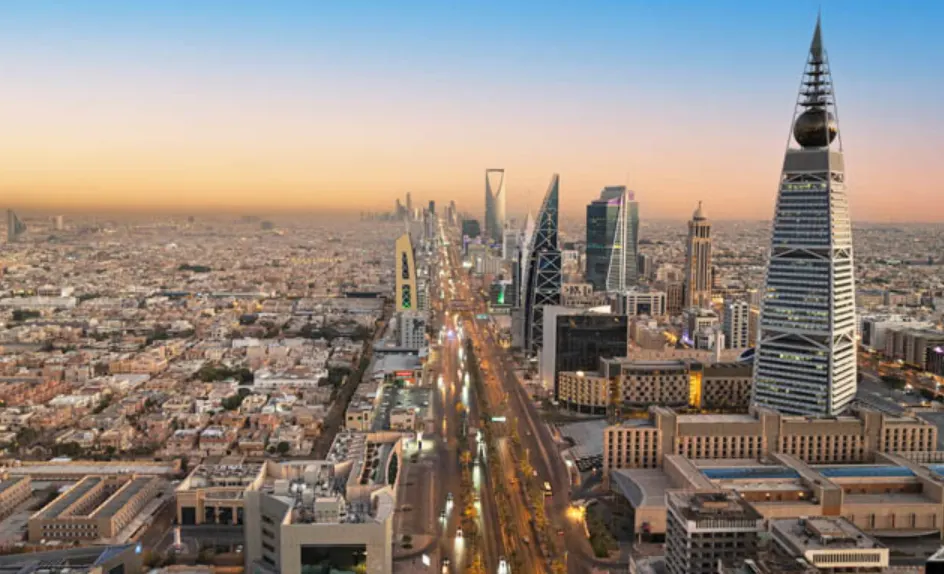
Saudi Arabia’s licensed tourism hospitality facilities rose 22.7 percent year on year to 6,122 in the first quarter of 2026, according to the General Authority for Statistics. The increase confirms that the kingdom’s tourism build-out is still moving at high speed under Vision 2030, but the same data also show that hotel utilisation and pricing softened as supply continued to expand.
The supply split was almost even. Hotels accounted for 2,963 facilities, or 48.4 percent of the total, while serviced apartments and other hospitality facilities accounted for 3,159, or 51.6 percent. Compared with the first quarter of 2025, Saudi Arabia added 1,134 licensed hospitality facilities, made up of about 549 hotels and 585 serviced apartments and other facilities, our calculation from the two quarterly releases.
A separate GASTAT indicator shows that tourism establishments with employees rose 9.0 percent to about 177,031, while total employment in tourism activities increased 6.5 percent to 1,047,313. Non-Saudis held 797,219 jobs, or 76.1 percent of total tourism employment, while Saudi nationals held 250,094 jobs, or 23.9 percent. This is a major job-creation story, but it also shows that raising the local share of the workforce remains a central structural challenge for the sector.
The key pressure point was hotels. Hotel room occupancy fell to 60.8 percent from 63.0 percent a year earlier, while the average daily room rate dropped 11.4 percent to 423 rials from 477 rials. Combining the two, implied hotel revenue per available room fell by roughly 14 percent year on year, from about 301 rials to 257 rials, our calculation. That is the clearest signal that hotel supply and rate competition are running ahead of average utilisation, even though the sector itself is still expanding.
Serviced apartments and other hospitality facilities performed better. Their occupancy rate rose to 51.6 percent from 50.7 percent, while their average daily rate slipped only 1.2 percent to 206 rials from 209 rials. On an implied revenue-per-available-room basis that segment was broadly flat year on year, suggesting stronger resilience in longer-stay and more price-sensitive accommodation than in the hotel segment.
The sequential picture is also important. Hotel occupancy improved from 57.3 percent in the fourth quarter of 2025 to 60.8 percent in the first quarter of 2026, while hotel daily rates rose from 389 rials to 423 rials. That means the first quarter was weaker than a year earlier but better than the immediately preceding quarter, a distinction that matters in a seasonal tourism market.
Saudi Arabia’s tourism ambition remains large. The kingdom surpassed its earlier target of 100 million annual tourists ahead of schedule and has raised the 2030 target to 150 million visitors. Vision 2030 also states that tourism’s direct contribution reached about 5 percent of gross domestic product in 2024, with a path toward more than 10 percent by 2030.
Why it matters: Tourism is one of Saudi Arabia’s most visible diversification channels and one of the most important new sources of non-oil employment in the region. The first-quarter data show strong capacity creation, with licensed hospitality facilities up nearly 23 percent and tourism employment above one million. But the fall in hotel occupancy and rates shows the sector is entering a more competitive absorption phase. Building capacity is no longer the only test; filling that capacity profitably is becoming just as important.
Outlook: The next marker is whether domestic, religious and international visitor demand catches up with the fast-growing hospitality footprint. If occupancy stabilises while rates stop falling, tourism can keep supporting non-oil output, private investment and job creation. If pricing pressure persists, the sector may still grow in volume but with weaker margins for hotel operators.
Sources: General Authority for Statistics; Saudi Ministry of Tourism; Saudi Vision 2030.